Rotating seasonal wall art means swapping 2 to 4 pieces per room every few months instead of leaving the same canvas up year-round, using the exact hardware already in the wall so you never drill a new hole. The catch most people miss: you need somewhere flat and dry to store the off-season pieces, and skipping that step is what actually damages canvases, not the hanging itself.
- Rotate 2 to 4 pieces per room per season and reuse the same nail or hook every time.
- A full seasonal rotation means 4 swaps a year; an accent-only rotation means 2.
- Store off-season canvases flat in a closet, never leaning against a wall for months.
- Gioia Wall Art's 16x20 to 30x40 canvas prints swap in and out without new hardware.
- Photograph each layout before you take it down so rehanging takes minutes, not guesswork.
Why this matters
A room that never changes starts to go invisible — you stop seeing the art at all after a few months, which is the opposite of why you bought it. Swapping in a warmer palette for fall or a lighter one for spring costs nothing but ten minutes and a closet shelf, and it's the cheapest refresh in a home decor budget for 2026. It also solves a real problem: buying one canvas per wall for life means you're stuck with it, but buying two or three and rotating them means every room gets to feel current without a repaint or a new furniture purchase.
The risk is doing it carelessly. Repeated nail holes, art stacked loose in a garage, or a print left in direct sun for a season are the three ways people wreck otherwise good pieces trying to rotate seasonal wall art.
How to rotate seasonal wall art
Follow these steps in order and the swap takes under 15 minutes per wall once your system is set up.
- Pick permanent anchor points. Hang a single nail, French cleat, or picture rail track once, then swap art on that same point every season — this is the single biggest time-saver in any rotation.
- Choose 2 to 4 pieces per room, per season. More than that and storage becomes the bottleneck; fewer and the rotation feels pointless.
- Measure the wall before you buy anything new. A canvas that fit a 36-inch console table in winter might dwarf a repositioned side table in summer — check the space, not just the old frame size.
- Store off-season pieces flat, not leaning. Stack canvases face-to-face with a soft cloth between them, or use a shallow under-bed box. Leaning a canvas against a wall for months warps the stretcher bars.
- Set a fixed swap date, not a mood. Solstices and equinoxes work well as a trigger — late March, late June, late September, late December — because they're easy to remember and evenly spaced across 2026.
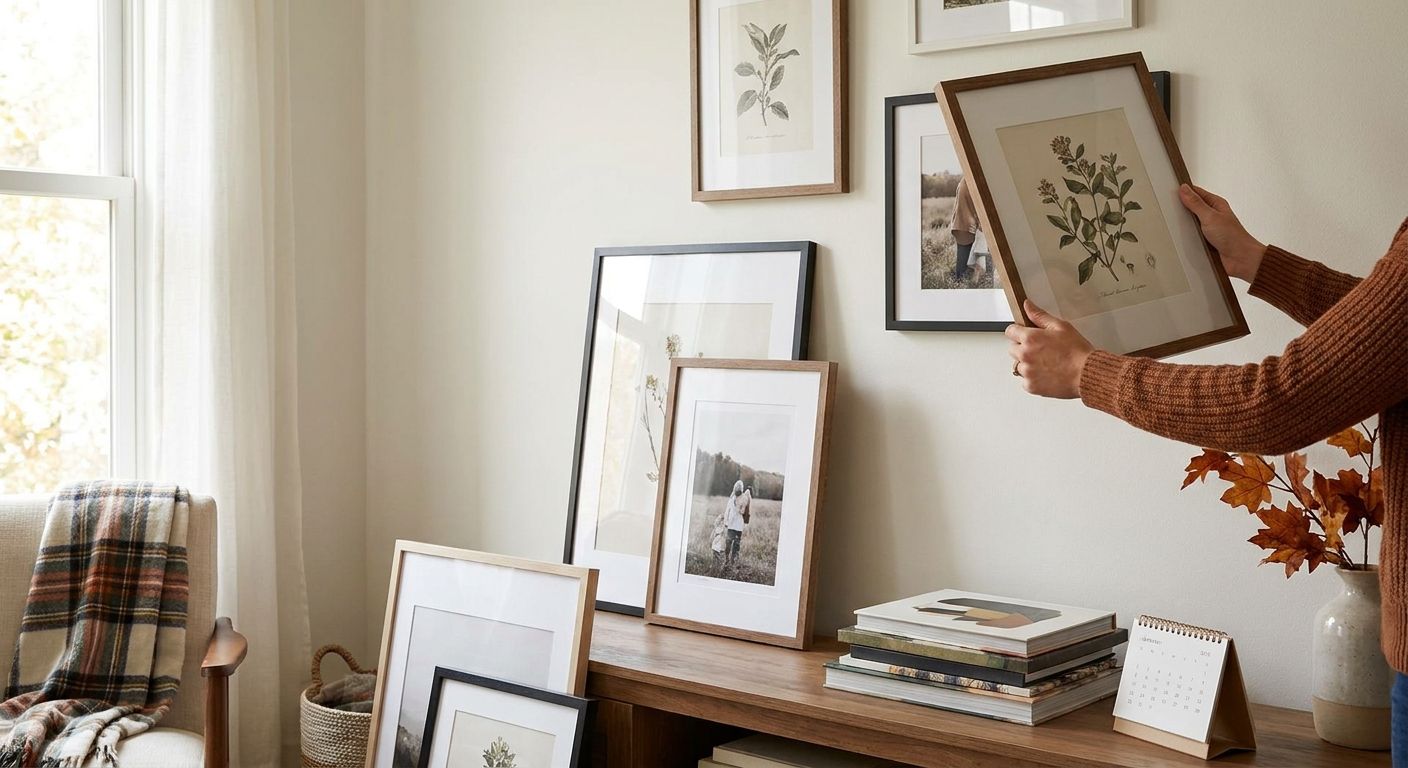
- Photograph the finished layout every time. A phone photo means next year's rotation is a five-minute rehang instead of a re-decision.
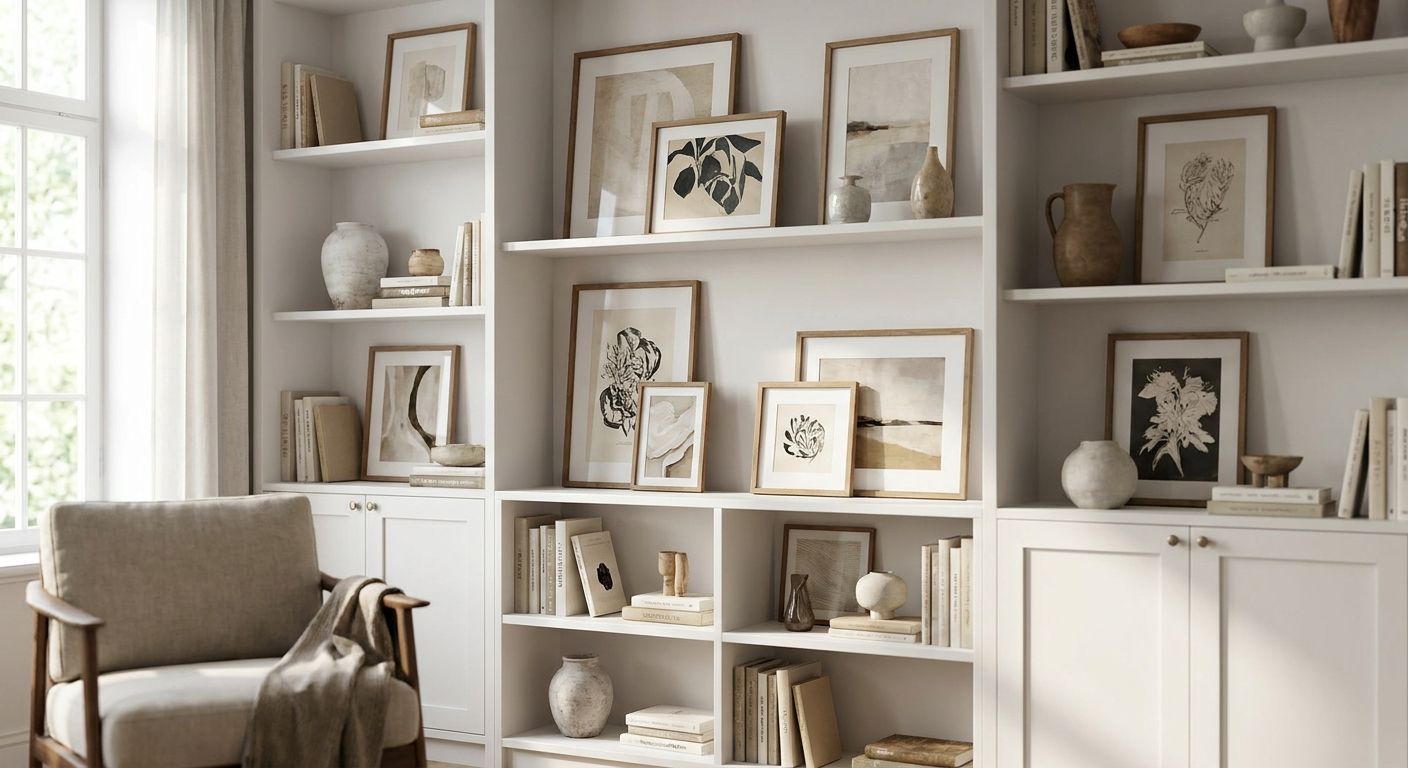
A picture ledge display for rotating prints removes step 1 entirely — art leans on a ledge rather than hanging from a fixed point, so swapping takes seconds and there's zero risk of new holes.
If you're rotating more than four pieces per wall per year, you're not decorating seasonally, you're just decorating constantly — scale back to a ledge or a gallery track instead of nails.
Rotation frequency at a glance
| Rotation type | Swaps per year | Best for |
|---|---|---|
| Full rotation | 4 | Living rooms, entryways, primary bedrooms |
| Accent rotation | 2 | Hallways, guest rooms, home offices |
| Micro rotation | 12 | Picture ledges, gallery walls, kids' rooms |
Full rotation: 4 swaps a year
A full rotation follows the four seasons directly — one swap in spring, one in summer, one in fall, one in winter. This suits high-visibility rooms like a living room or entryway where the art sets the tone for the whole space. Buy for a full rotation if you want the room to visibly shift with the calendar and you have a closet or storage bin dedicated to art.
The tradeoff is volume: a full rotation across three rooms means storing 6 to 12 spare pieces at any given time, which only works if you actually have the space for it.
Accent rotation: 2 swaps a year
An accent rotation swaps just one or two pieces twice a year — typically a warm-to-cool switch in spring and fall — while the anchor piece over the sofa or bed stays put. This is the lower-effort option for rooms that don't need a full seasonal overhaul, like a guest bedroom or a home office. Choose accent rotation if you want seasonal freshness without managing a storage system for a dozen canvases.
Micro rotation: 12 swaps a year (monthly)
A micro rotation swaps art monthly, and it only really works on a ledge system or a lean-and-layer gallery wall where nothing is nailed down. Kids' rooms and picture ledges are the natural fit — a child's room benefits from art that changes with school terms, holidays, or their own interests. Pick micro rotation only if you're using a ledge or leaning display; trying to do monthly swaps on nailed frames wears out the wall fast.
Why rotation frequency varies
- Storage space — a full rotation needs a dedicated closet shelf or under-bed bins; without it, accent rotation is more realistic.
- Wall hardware — nailed frames favor full or accent rotation; ledges and rails favor micro rotation.
- Room traffic — high-traffic rooms like entryways show wear faster and benefit from more frequent refreshes.
- Collection size — you need at least double the pieces you display to rotate meaningfully; fewer than that and it's not a rotation, it's a swap.
- Light exposure — south-facing rooms fade prints faster, which pushes toward more frequent rotation to catch fading early.
- Budget — building a rotation collection over a year or two is more sustainable than buying eight canvases at once.


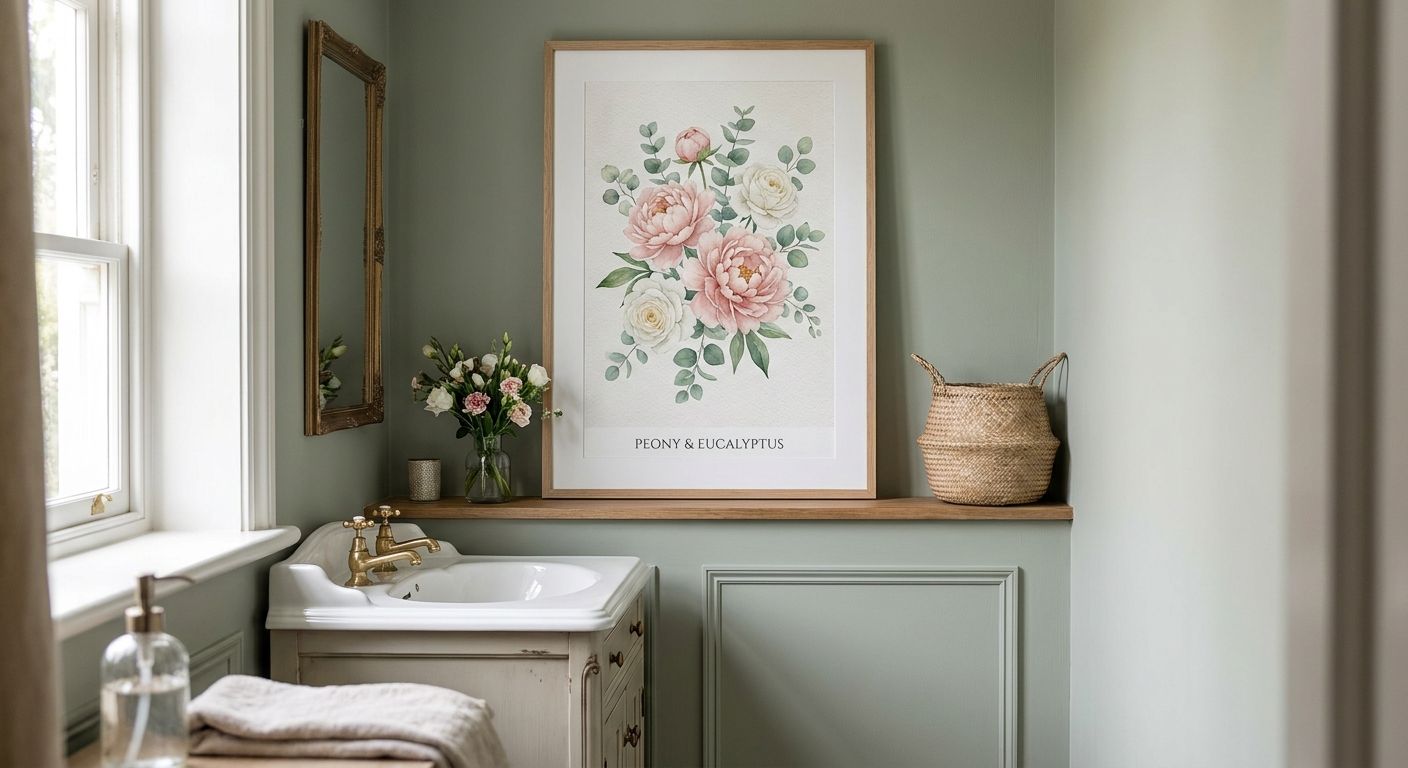
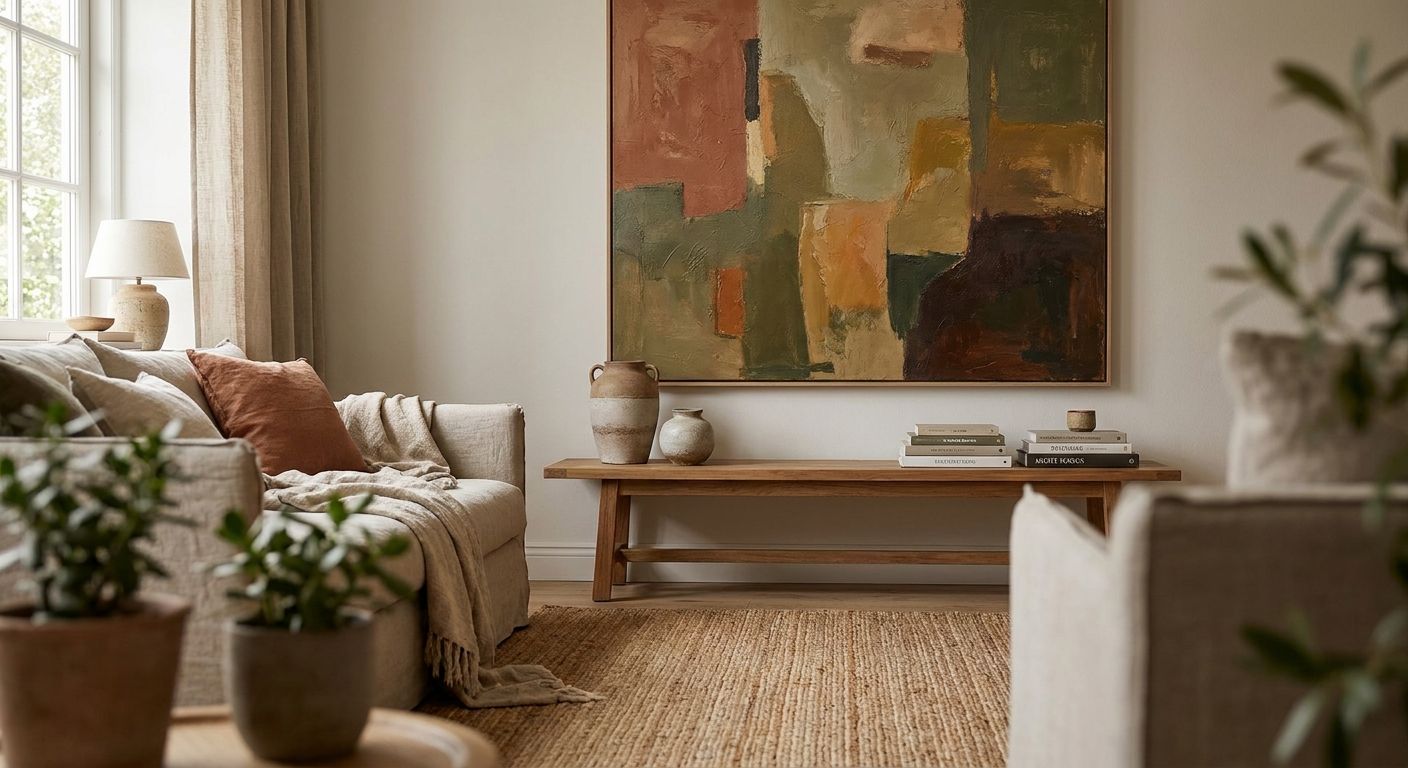
A landscape piece like Somewhere in Italy works as a warm-weather swap-in, a floral portrait like Petals Aglow reads spring, and a square coastal-toned piece like Seafood Basket carries a room through summer before a fall accent takes over. Rotating between orientations — landscape, portrait, square — is what keeps a rotation from feeling like the same canvas with a different picture on it.
How many wall art pieces do you need to rotate seasonally?
You need at least 2 backup pieces per wall you plan to rotate, and 4 if you're running a full seasonal rotation across the year. Fewer than that and you're just swapping between two options, which stops feeling seasonal after the second cycle.
What size wall art works best for a rotation?
Stick to one consistent size range per anchor point — usually 16x20 to 24x36 for a console or side table, 30x40 and up for a sofa or bed wall — so every rotation piece fits the same spot without remeasuring. Choosing the right canvas size for the wall before you buy a rotation set saves you from ending up with pieces that only fit half your rotation points.
Can you rotate wall art without new nail holes?
Yes — a French cleat, a picture rail, or a leaning ledge lets you swap pieces without touching the wall again after the initial install. Guidance on how to hang canvas art without damaging walls covers the hardware options that make repeated swaps hole-free.
FAQ
How often should you rotate wall art seasonally?
Rotate wall art 2 to 4 times a year — 4 for a full seasonal swap, 2 for an accent-only rotation. Picture ledges can handle a monthly micro rotation since nothing is nailed down.
Is rotating wall art bad for canvas prints?
No, rotating wall art is safe for canvas prints as long as off-season pieces are stored flat rather than leaning for months. Leaning storage is what warps stretcher bars, not the act of rotating itself.
What's the cheapest way to rotate seasonal wall art?
The cheapest way to rotate seasonal wall art in 2026 is to buy 2 extra pieces per wall over time rather than a full new set at once, and reuse the same hanging hardware for every swap.
Do you need special storage for rotated wall art?
You need a flat, dry storage spot — a closet shelf or under-bed box works fine. Canvases should be stacked face-to-face with a soft cloth between them, not left leaning against a wall.
Can a picture ledge replace a full wall art rotation system?
Yes, a picture ledge replaces the need for repeated nail holes because pieces lean and lift off instead of hanging from fixed hardware, which makes monthly rotations realistic.
What size wall art is easiest to rotate?
Mid-size canvases in the 16x20 to 24x36 range are easiest to rotate because they're light enough to swap solo and fit most console, side table, and hallway spots without remeasuring each time.
Should every room in a house be on a rotation schedule?
No — high-traffic rooms like living rooms and entryways benefit most from a full rotation, while low-traffic spaces like guest rooms do fine on an accent rotation of just 2 swaps a year.
One last thing
The rotation that actually sticks in 2026 isn't the one with the most pieces — it's the one with a fixed calendar date and a phone photo of last year's layout, because that's what turns a good intention into a habit you keep past the first season.