Wine bars live and die on mood, and the walls do half the work. A tasting room with bare drywall or the wrong art reads like a rental unit; the right pieces make guests linger for a second glass.
- Still life and moody landscape canvases outperform literal wine imagery for wall art for wine bars in 2026 — buy oversized, skip novelty.
- Matte finishes beat glossy under candlelight and pendant fixtures; glare kills the effect from across a tasting room.
- Gioia Wall Art's home bar and wine room collection is the safe starting point for owners furnishing a full space at once.
- Skip wine-pun typography and neon bar signs — they date fast and photograph poorly for social posts.
Why this matters
A tasting room sells an experience, not just a pour. Guests photograph the walls before they photograph the glass, and that photo ends up on Instagram whether you planned for it or not. Cheap poster prints and neon signage read as budget; curated canvas and framed prints read as a destination worth the drive.
Gioia Wall Art built out a dedicated wall art for home bars and wine rooms collection specifically because bar owners and residential wine-room builders were asking the same question: what actually holds up on a wall that sees candle smoke, condensation, and a rotating crowd every weekend in 2026?
Who this is for
This guide is for tasting room owners, wine bar operators, and homeowners finishing a dedicated wine room or bar nook. It's also useful for interior designers sourcing for hospitality clients who need art that photographs well under low, warm lighting and survives years of foot traffic without fading or peeling.
What to look for in wall art for wine bars
Mood over literal wine imagery
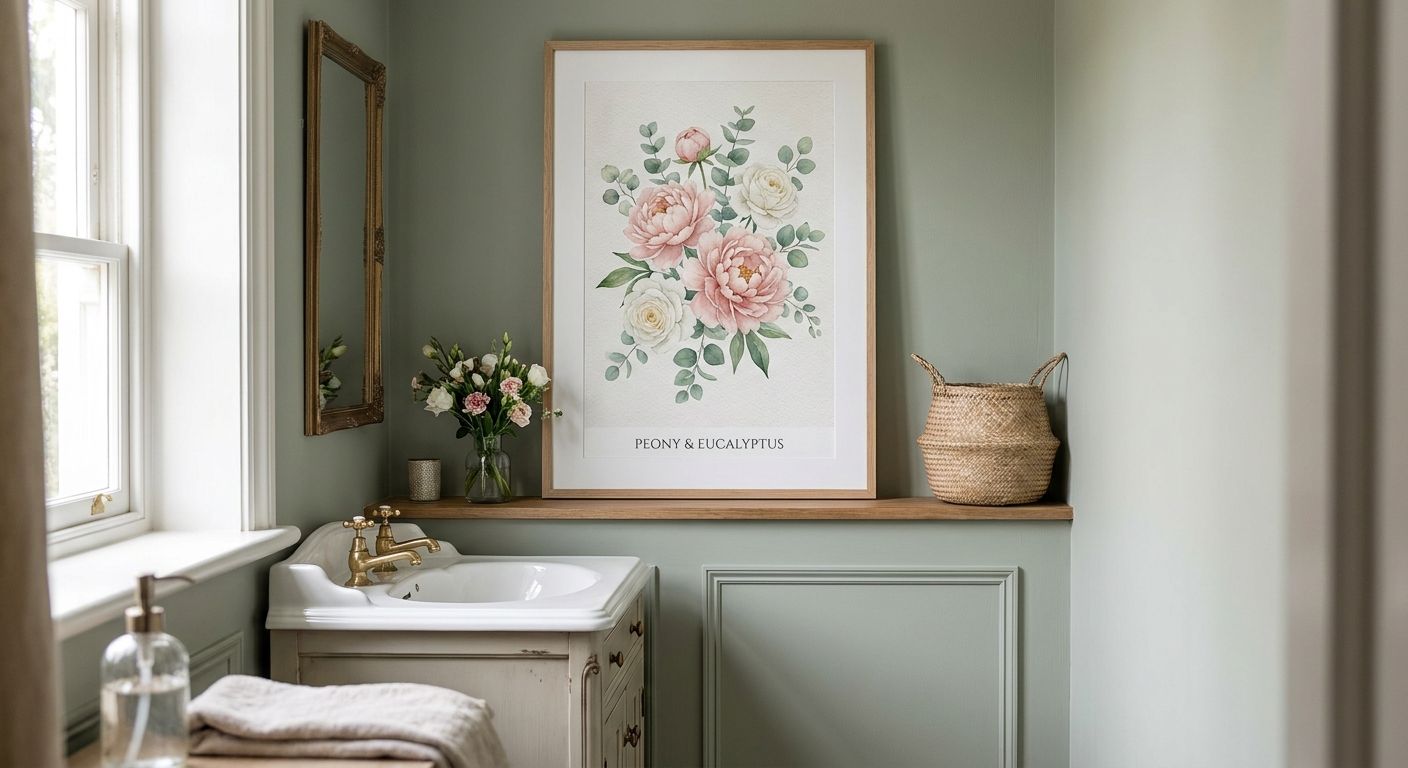
Skip the grape clusters and cork-board collages — they read as theme-restaurant kitsch by 2026 standards. Still life compositions, warm abstract landscapes, and elegant figurative pieces do more to set an adult, unhurried mood than anything with a wine bottle painted on it.
Scale built for sightlines
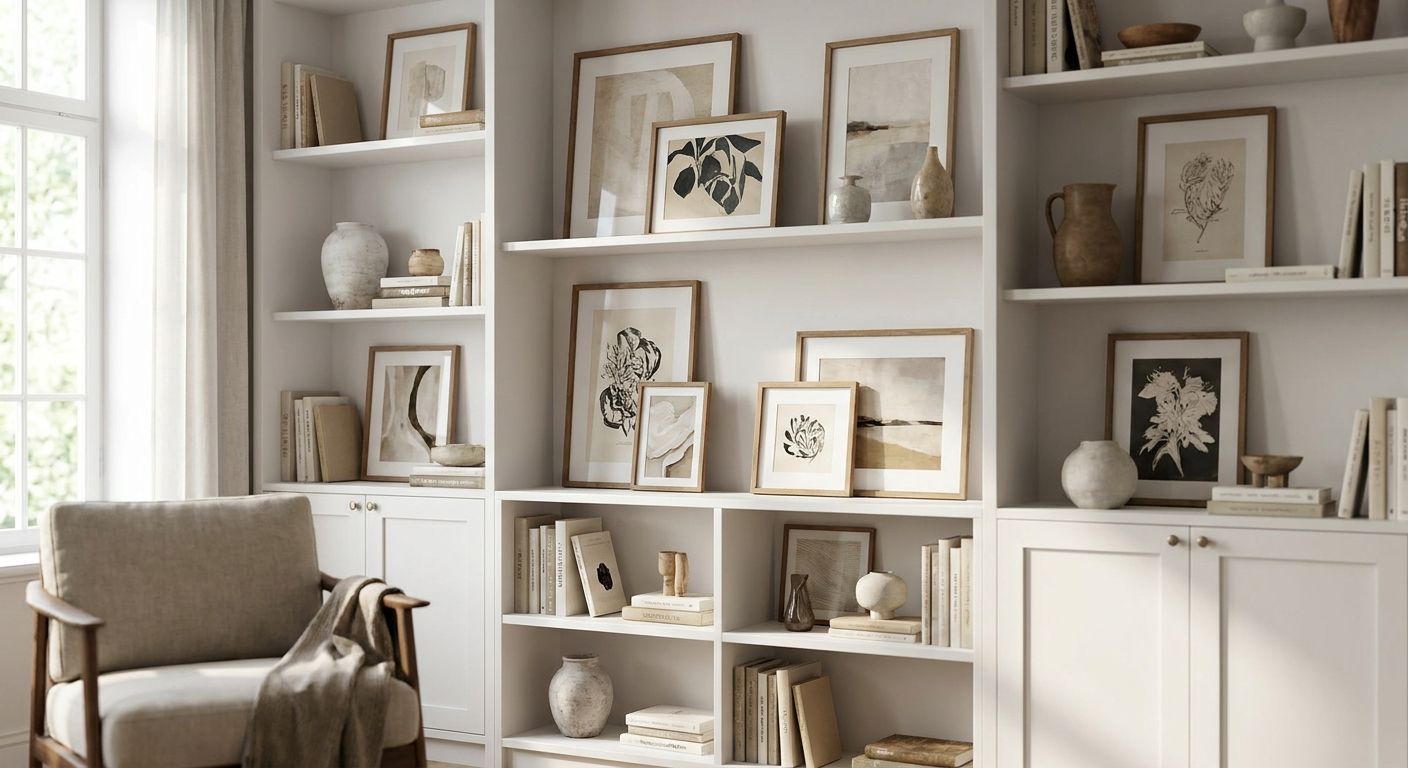
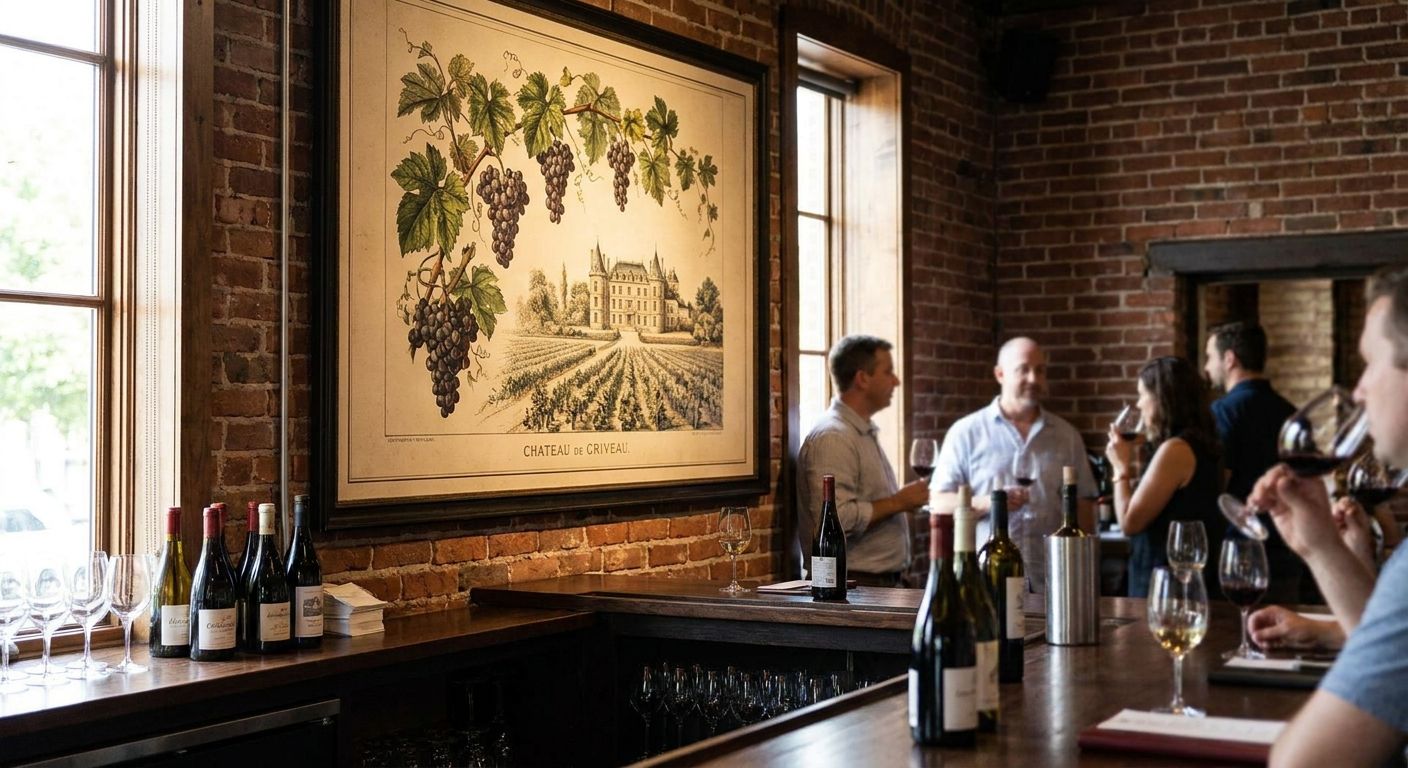
A tasting room's main wall is usually viewed from 12 to 20 feet away across a bar or communal table. Small framed prints disappear at that distance — you want one or two statement pieces per wall section rather than a cluster of small frames guests can't read from their seat.
Finish that survives low light
Candlelight, string lights, and dim pendant fixtures are standard in tasting rooms, and glossy canvas throws glare right back at guests trying to read the label on the bottle in front of them. Matte and lightly textured finishes hold up better under that kind of lighting — the guide to choosing wall art for low-light, north-facing rooms covers the same logic that applies to a dim tasting room.
Durability against heat and humidity
Wine rooms run cooler and more humid than a standard living room, and bars generate ambient heat near string lighting and equipment. Canvas prints on stretched frames handle temperature swings better than framed paper prints behind glass, which can fog or warp near a humidity-controlled cellar.
Cohesion with the space's story
A wine bar built around Italian varietals reads differently than one built around a Pacific Northwest tasting menu. Pick a palette and subject matter that matches the wine list's origin story rather than grabbing whatever's on sale — guests notice when the art and the pours don't match the room's narrative.
Top picks for a wine bar or tasting room
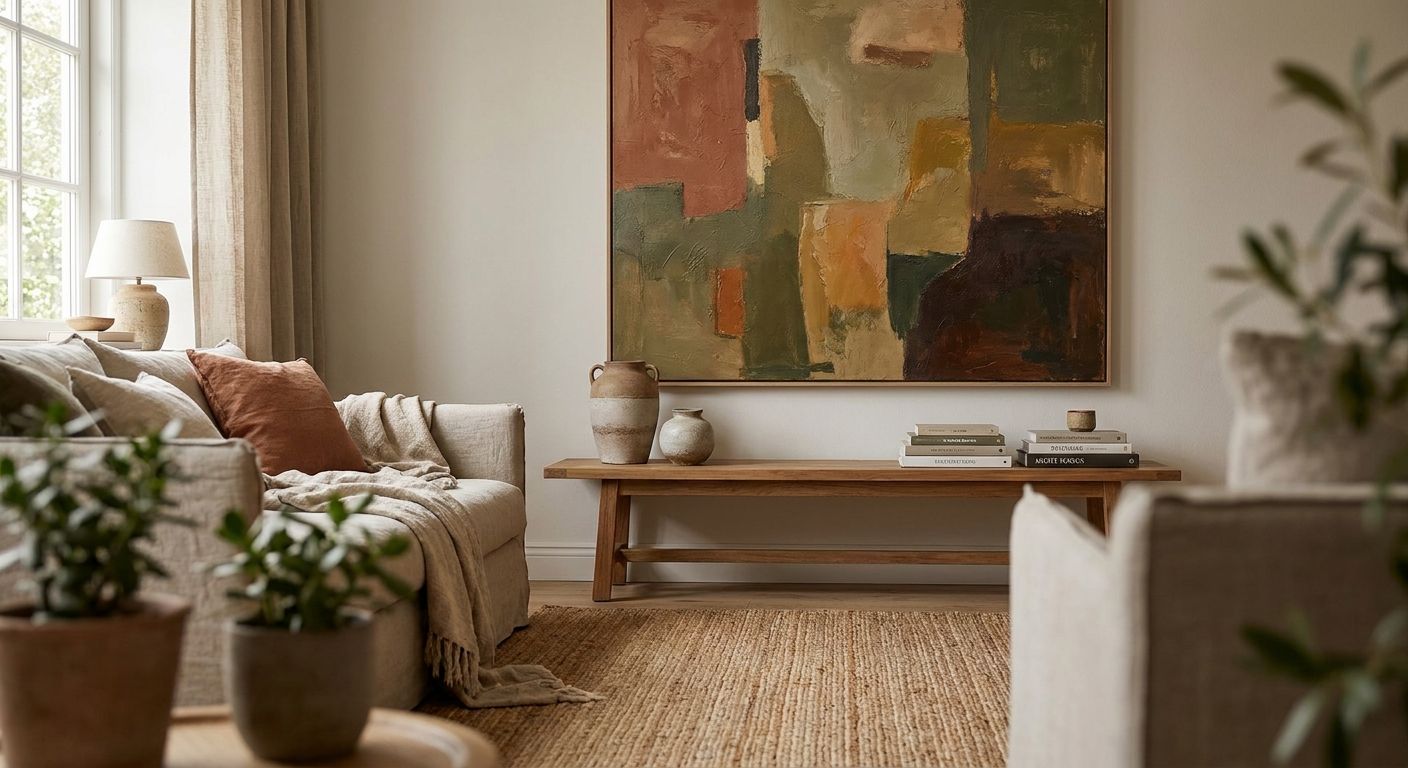
The safe pick — oversized still life. A large-format still life canvas, sized 40 inches or wider, anchors a main wall without competing with the bar itself. It reads sophisticated under warm lighting and doesn't date the way trend-driven graphics do. Buy.
The wildcard — moody sunset or desert-toned abstracts. Warm ochre, rust, and dusty blue palettes echo the tannins and warmth of a tasting flight without being literal about it. These work best in tasting rooms leaning rustic or Mediterranean rather than sleek modern. Consider.
The classic pick — elegant figurative portraits. A single striking portrait piece near the entrance or host stand gives a tasting room a boutique-hotel feel guests remember. It's a stronger opening statement than a gallery wall of small prints. Buy.
The parallel pick — hospitality-tested layouts. If you're furnishing a wine bar attached to a restaurant concept, the same principles that work for wall art in restaurant and cafe interiors — statement scale, durable finish, cohesive palette — carry over directly. Consider for combined concepts.


What to avoid
- Neon bar signage as primary decor. It's cheap to source but reads as a college bar, not a tasting room, by 2026 standards.
- Wine-pun typography prints. "Wine Not" and "Rosé All Day" graphics were novel a decade ago; they now read as filler rather than intentional design.
- Glossy framed prints behind glass near heat sources. Condensation and warping show up within a season near string lights or a cellar cooling unit.
Wine bar wall art at a glance
| Criteria | Best fit | Watch out for |
|---|---|---|
| Mood | Still life, abstract landscape | Literal wine bottle graphics |
| Scale | 40"+ statement canvas | Small scattered frames |
| Finish | Matte, lightly textured | High-gloss glare under low light |
| Climate | Stretched canvas | Paper prints behind glass in humid rooms |
| Story fit | Palette matched to wine list origin | Generic stock "bar decor" |
FAQ
What's the best wall art for a wine bar?
Large-format still life canvases and warm-toned abstract landscapes work best for wine bars in 2026 because they set an adult, unhurried mood without literal wine imagery. Aim for pieces 40 inches or wider so they read from across the room.
Is canvas better than framed prints for a tasting room?
Yes, for most tasting rooms canvas outperforms framed prints behind glass because it handles humidity and temperature swings without fogging or warping. Framed prints work fine in climate-stable areas away from cellar cooling units.
How big should wall art be in a wine bar?
Statement pieces of 40 inches or larger read best from typical bar seating distances of 12 to 20 feet. Smaller framed prints tend to disappear at that range unless grouped into a tight gallery cluster near seating.
Should wine bar art match the wine list's region?
It helps guests connect the room to the pours on the list, but it's not mandatory. A Mediterranean palette suits an Italian-leaning list, while cooler abstract tones suit a Pacific Northwest program.
What finish works best under candlelight?
Matte and lightly textured canvas finishes hold up better than glossy prints under candlelight and pendant fixtures because they don't throw glare back at seated guests.
Can I use the same wall art in a home wine room and a commercial tasting room?
Yes, the same criteria apply — scale, finish, and climate durability matter whether the room is residential or commercial. Commercial spaces just need more attention to foot-traffic wear near entrances.
How much does wall art for a wine bar cost?
Canvas prints suited to wine bars commonly run in the $150-$200 range per piece at retailers like Gioia Wall Art, with larger statement sizes priced higher. Budget for two to three anchor pieces rather than filling every wall.
What should I avoid hanging in a wine bar?
Avoid neon bar signage, wine-pun typography prints, and glossy framed pieces near heat or humidity sources. These date fast and can warp or fog within a season.
One last thing
The single biggest mistake tasting rooms make in 2026 isn't the art itself — it's hanging too many small pieces instead of committing to one or two statement canvases per wall. A crowded gallery wall works in a living room; a tasting room needs breathing room around its focal piece so the eye lands on it, not the label rack next to it.