Waiting rooms are the first design decision a patient actually notices, and the wrong wall art can make a calm dental office feel like a hospital corridor. This guide covers what to hang, what to skip, and which pieces of medical office wall art actually calm a room full of anxious patients.
- Botanical and still-life canvas prints outperform abstract or clinical imagery for medical office wall art in 2026 — Tree Banksia is the safe Buy.
- Skip anything under 24 inches wide on a waiting room wall wider than 8 feet; it reads as an afterthought.
- Framed glass glare under fluorescent lighting is the #1 complaint from office managers — canvas prints avoid it entirely.
- Pediatric and family practices need warmer, more playful palettes than adult specialty clinics or dental offices.
Why this matters
A waiting room is the only part of a practice most patients spend real time looking at, sometimes 20 or 30 minutes at a stretch. The art on the wall either adds to the anxiety of a dental appointment or quietly takes the edge off it.
Most practice managers default to whatever framed print came free with the furniture package, and it shows. Generic ocean stock photos and beige abstract blobs read as filler, not decor, and patients notice the difference between curated and clearance-bin. In 2026, with more practices competing on patient experience as much as clinical outcomes, the waiting room wall is a cheap, high-visibility upgrade.
The same logic that works in corporate office lobbies applies here: art sets the emotional tone before a single word is spoken.
Who this is for
This guide is built for practice owners, office managers, and interior designers furnishing medical, dental, pediatric, or specialty clinic waiting rooms — anyone choosing wall art that has to work for strangers of every age, every mood, and every anxiety level, not just one household's taste.
What to look for in medical office wall art
Calming subject matter over clinical or macabre imagery
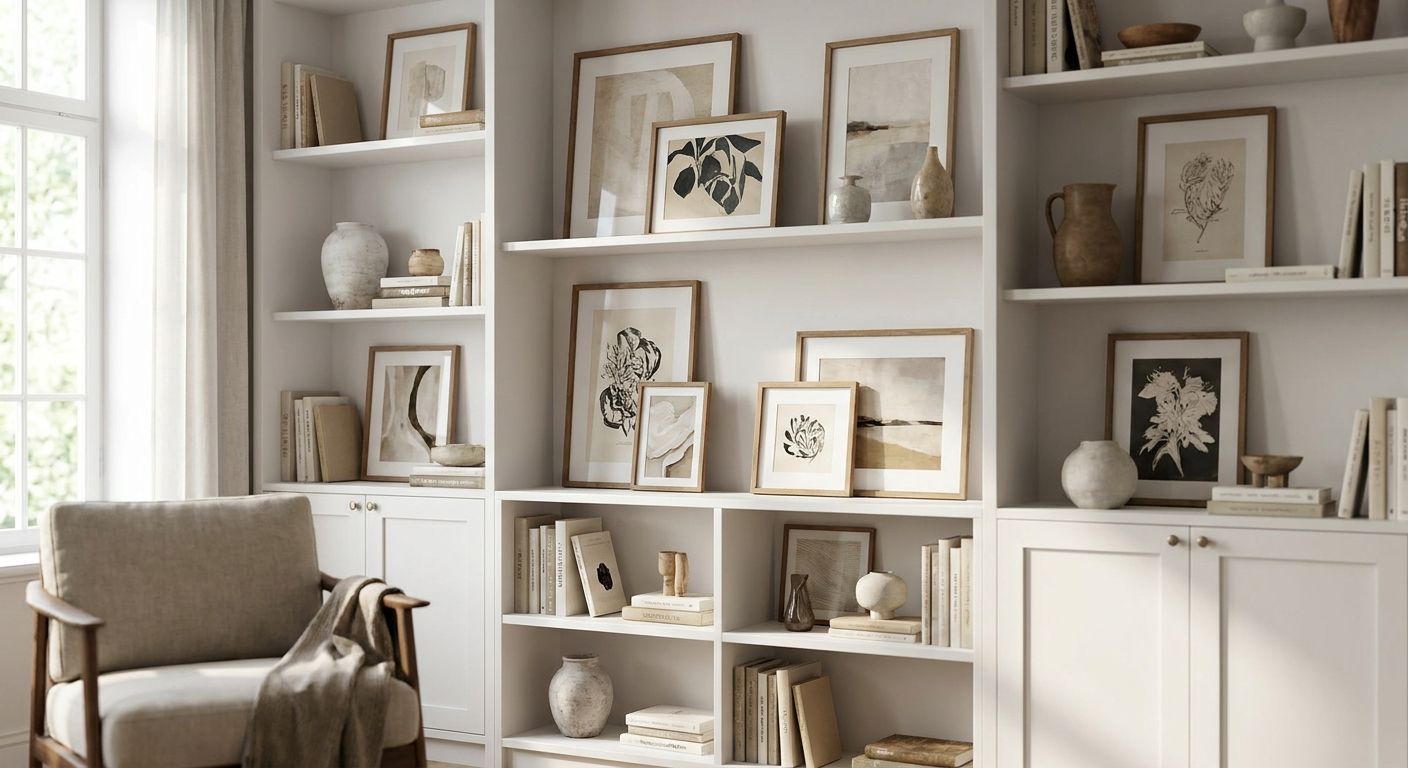
Nature scenes, botanical studies, and soft still life read as neutral to nearly everyone, which is exactly what a waiting room needs. Anything overtly medical — anatomy illustrations, needles, x-ray motifs — reinforces the exact anxiety you're trying to defuse, even when it's meant as a nod to the practice.
A palette that complements clinical whites and blues
Most medical and dental offices are painted in whites, soft grays, or pale blues, so wall art in warm neutrals or muted florals adds warmth without fighting the walls. Saturated reds and oranges can read as alarming next to clinical white trim, so keep the palette one register warmer or cooler than the walls, not a full contrast.
Scale that reads from every seat in the room
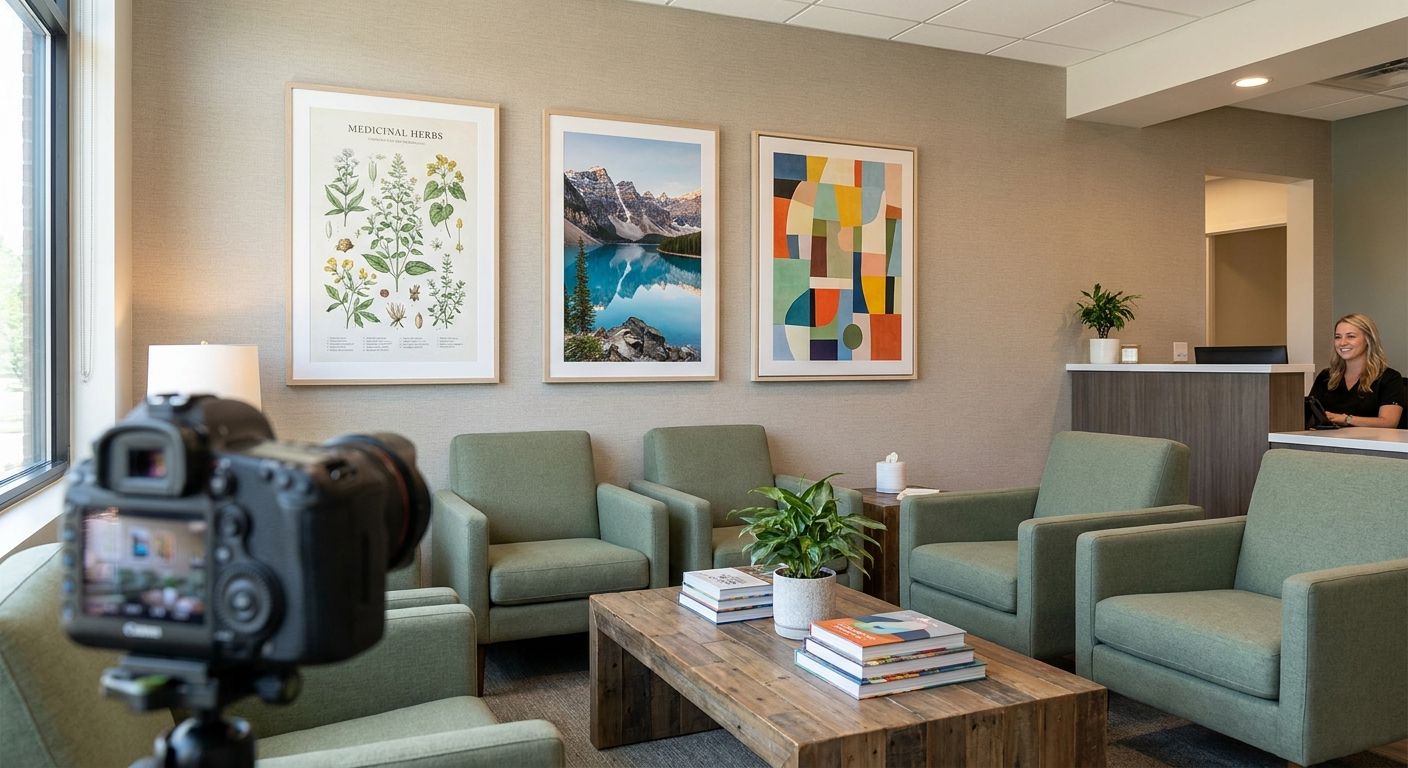
A single 16x20 print on an 8-foot wall disappears the moment three people are seated in front of it. For waiting rooms wider than 6 feet, go 24x36 or larger, or group two to three pieces so the wall reads intentional from every chair. Choosing the right canvas size matters more in a commercial room than in a bedroom, because sightlines are fixed and can't be adjusted by moving a couch.
Framing and glazing that survive fluorescent light and high traffic
Glass-framed prints under fluorescent panels throw glare that makes art unviewable from half the seats in a room, which defeats the purpose entirely. Gallery-wrapped canvas skips the glass problem completely and handles the bumps and wipe-downs of a high-traffic commercial space better than framed paper.
Universal appeal across pediatric, family and specialty practices
A general practitioner's waiting room serves toddlers and retirees in the same 20-minute window, so the art has to avoid alienating either group. Pediatric dentistry and family medicine can lean warmer and more playful; oral surgery, orthodontics, and specialty clinics do better with quieter, more sophisticated pieces that don't read as juvenile to adult patients.


Top picks for medical and dental waiting rooms
The safe pick — Tree Banksia. This botanical study print is a canvas piece with no faces, no color extremes, and a subject that reads as calm to a five-year-old and a seventy-year-old alike. At $179.99, it works as a solo statement piece on a wall up to 8 feet wide. Verdict: Buy.
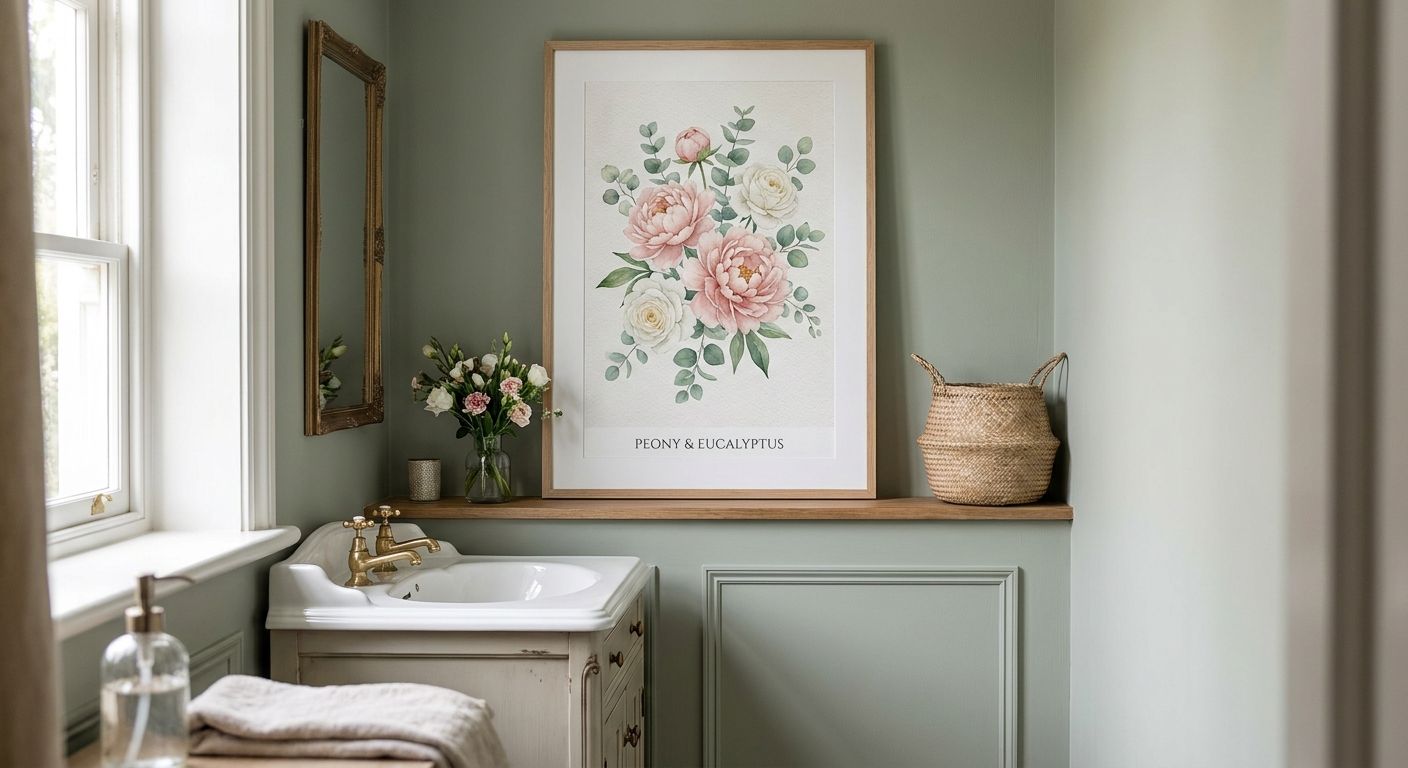
The pediatric-friendly pick — Flowervase, Style D. Soft floral tones without being saccharine, this piece brightens a family practice or pediatric dental waiting room without tipping into nursery territory. It pairs well as a pair or trio when the wall runs wider than 10 feet. Verdict: Consider for general and family practices; skip for orthopedic or oral surgery waiting rooms where a quieter palette reads more professional.
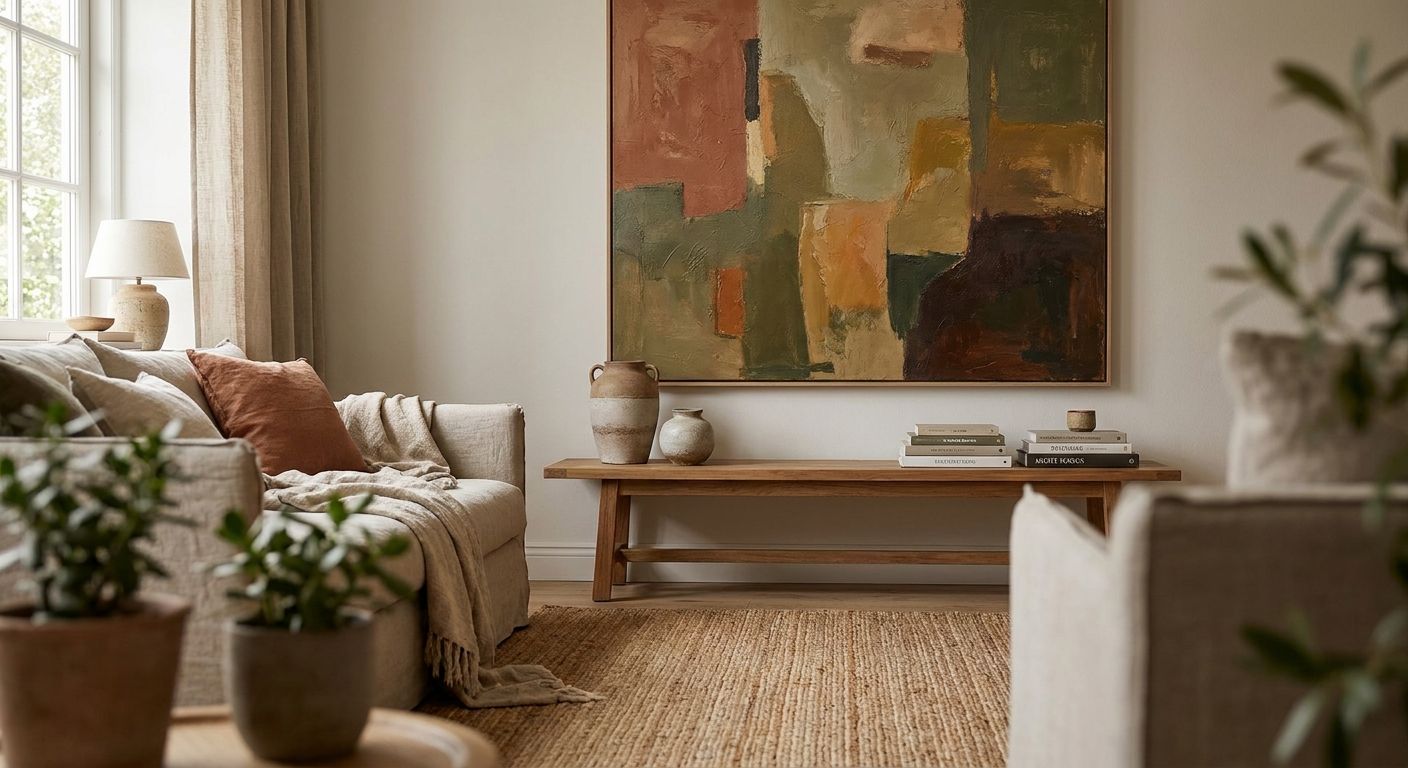
The dental-office pick — Cozy Tabletop Pomegranates. A warm still life that avoids anything remotely clinical while still feeling grown-up enough for an adult specialty practice. At $179.99, it's an easy single-piece anchor for a smaller waiting area. Verdict: Buy for dental and family medicine reception areas.
The corporate-crossover pick. Practices sharing a building with corporate tenants, or clinics with a more clinical-modern build-out, often do better borrowing from corporate office lobby picks — quieter abstracts and line work that skew professional over cozy. Verdict: Consider if your waiting room reads more office-park than home-away-from-home.
What to avoid
- Anything with medical iconography — stethoscopes, x-rays, anatomical line drawings — reads as thematic to the designer and anxiety-inducing to the patient sitting across from it for 20 minutes.
- Framed prints under glass in a fluorescent-lit room — the glare cancels out the piece from at least half the seats, and it shows scuffs and fingerprints faster than canvas.
- Undersized single prints on long walls — a 16x20 alone on a 10-foot wall reads unfinished, not minimal, and patients notice bare wall space more than they notice good art.
Verdict comparison
| Pick | Subject | Price | Best For | Verdict |
|---|---|---|---|---|
| Tree Banksia | Botanical study | $179.99 | Any waiting room, solo anchor piece | Buy |
| Flowervase, Style D | Soft floral | $179.99 | Pediatric and family practices | Consider |
| Cozy Tabletop Pomegranates | Warm still life | $179.99 | Dental and family medicine | Buy |
| Corporate-crossover abstracts | Line work / abstract | Varies | Specialty and orthopedic clinics | Consider |
For rooms doubling as a small home office nook in a private practice, the same logic used in best framed art prints for home offices applies to the consult room down the hall — quieter, more restrained pieces than the waiting area itself.
FAQ
What's the best wall art for a medical office waiting room?
Botanical and still-life canvas prints in neutral or soft warm tones are the safest medical office wall art choice in 2026 because they read as calming to patients of every age. Avoid anything with medical iconography or overly bright, alarming color palettes.
Is abstract art appropriate for a dental office?
Yes, quiet abstract or line-art pieces work well in dental waiting rooms, especially oral surgery and orthodontic practices that want a more sophisticated, adult-leaning feel. Avoid bold, chaotic abstracts that can feel visually overstimulating in a small space.
How much does medical office wall art cost?
Curated canvas prints for a waiting room typically run in the $150-$200 range per piece as of 2026, depending on size and finish. Framed originals or larger multi-panel sets cost more but cover bigger walls with fewer individual pieces.
What size wall art works best for a waiting room?
For walls 6 to 8 feet wide, a single 24x36 canvas anchors the space; wider walls do better with a pair or trio of pieces. Undersized art on a long wall reads as an afterthought rather than a design choice.
Should pediatric waiting rooms use different wall art than adult clinics?
Yes, pediatric and family practices can lean into warmer, softer florals and playful subjects that adult specialty clinics should avoid. Orthopedic, oral surgery, and adult specialty waiting rooms do better with quieter, more restrained palettes.
Framed prints or canvas for a waiting room?
Canvas wins for most waiting rooms because it avoids the glass glare that fluorescent lighting creates and holds up better to daily wipe-downs. Framed prints work in lower-traffic consult rooms where lighting is more controlled.
How many pieces of wall art does a waiting room need?
A single anchor piece works for walls up to about 8 feet wide; anything longer benefits from a two- or three-piece grouping to avoid bare, unfinished-looking wall space. More pieces at a smaller scale rarely read as intentional in a commercial room.
Can dental offices use the same wall art as medical offices?
Largely yes — botanical, still-life, and quiet abstract subjects work across both settings in 2026. The main difference is palette warmth: family and pediatric dental practices can go warmer, while adult specialty and surgical practices do better with cooler, more restrained tones.
One last thing
Odd-numbered groupings — one, three, or five pieces — consistently outperform pairs in waiting rooms, because even-numbered arrangements read as symmetrical decor rather than curated art, and patients register the difference subconsciously even if they couldn't explain why.